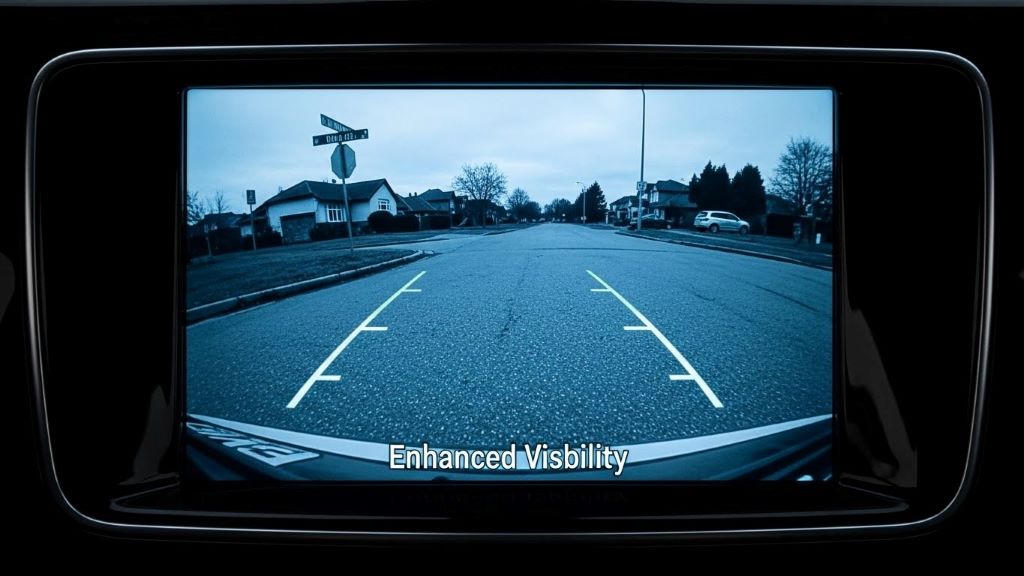
Rear view cameras have become essential safety features in modern vehicles. However, many drivers struggle with poor image quality during nighttime use. Grainy, noisy footage can make it difficult to see obstacles clearly. Therefore, understanding noise reduction techniques can significantly improve your nighttime driving safety.
Understanding Image Noise in Night Vision Cameras
Image noise appears as random speckles or grain across your camera’s display. This problem becomes worse in low-light conditions. The camera sensor struggles to capture enough light, which creates visual interference. Additionally, electronic components generate heat that contributes to signal distortion.
Night vision cameras face unique challenges compared to daytime operation. The sensor must amplify available light to create a visible image. However, this amplification process also increases background noise. Consequently, the resulting image often looks grainy or unclear.
Common Sources of Camera Noise
Several factors contribute to noise in rear view cameras. First, sensor size plays a crucial role in image quality. Smaller sensors capture less light, which forces higher amplification levels. This increased amplification directly leads to more visible noise.
Temperature also affects camera performance significantly. Electronic sensors generate heat during operation. Moreover, ambient temperature fluctuations can worsen this issue. Heat causes electrons to move unpredictably within the sensor, creating additional noise patterns.
Poor quality camera components represent another major factor. Budget cameras often use inferior sensors and processors. These components lack sophisticated noise reduction capabilities. Therefore, investing in quality equipment can make a substantial difference.
Hardware-Based Noise Reduction Solutions
Modern rear view cameras incorporate several hardware features to combat noise. Larger image sensors capture more light naturally. This reduces the need for aggressive amplification. Additionally, back-illuminated sensors improve light gathering efficiency.
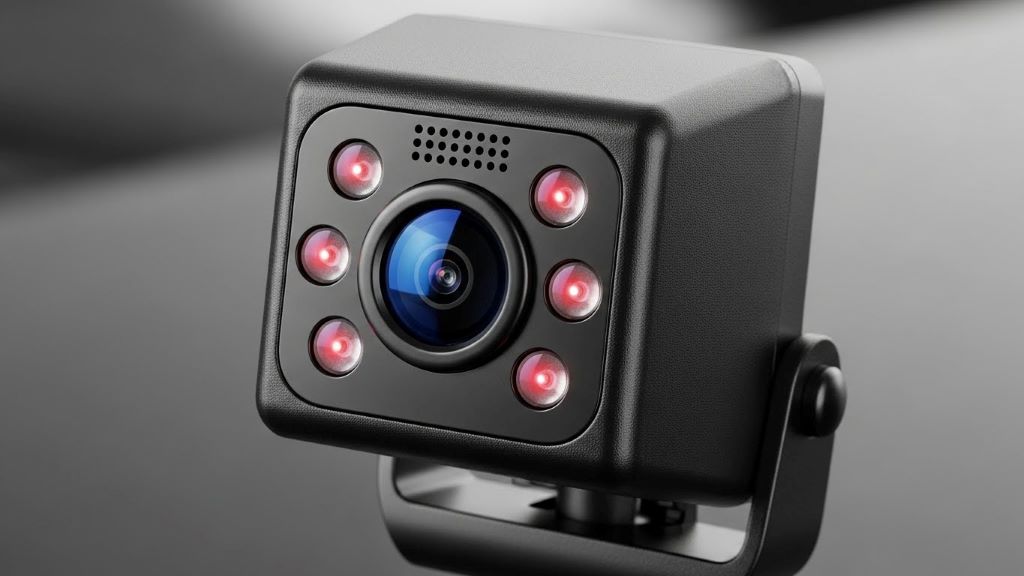
Infrared illumination provides another effective solution. Many cameras include built-in IR LEDs that emit invisible light. These LEDs illuminate the area behind your vehicle without creating glare. Furthermore, the camera sensor can detect this infrared light easily, producing clearer images.
Advanced lens coatings help maximize light transmission. Anti-reflective coatings reduce internal reflections and glare. This means more available light reaches the sensor. Consequently, the camera requires less amplification, which reduces noise levels.
According to research from Consumer Reports, higher-quality backup cameras with better sensors and processing capabilities deliver significantly improved nighttime performance compared to basic models.
Software and Processing Techniques
Digital signal processing plays a vital role in noise reduction. Modern cameras use sophisticated algorithms to identify and remove noise. These algorithms analyze each frame and distinguish between actual image data and random noise. However, aggressive noise reduction can sometimes blur fine details.
Temporal noise reduction compares multiple consecutive frames. The algorithm identifies elements that remain constant across frames as real objects. Meanwhile, randomly changing pixels get classified as noise and removed. This technique works particularly well for stationary cameras.
Spatial noise reduction examines neighboring pixels within a single frame. The software looks for patterns and smooths out irregular variations. Additionally, edge detection algorithms preserve important details while removing noise from uniform areas.
Adjusting Camera Settings for Better Night Performance
Many rear view cameras offer adjustable settings that affect noise levels. Reducing the gain or ISO setting decreases amplification. This produces cleaner images with less noise. However, the image may appear darker overall.
Shutter speed adjustments can also help reduce noise. Longer exposure times allow more light to reach the sensor. Nevertheless, this can create motion blur if the vehicle is moving. Therefore, finding the right balance is essential.
Some cameras feature automatic gain control systems. These systems continuously adjust amplification based on available light. Modern AGC systems use intelligent algorithms to minimize noise while maintaining visibility. Furthermore, they adapt quickly to changing lighting conditions.
Installation and Positioning Strategies
Proper camera installation significantly impacts nighttime performance. Mounting the camera in an optimal location ensures maximum visibility. The camera should have an unobstructed view of the area behind your vehicle. Additionally, positioning it away from direct light sources prevents glare.
Regular cleaning maintains image quality over time. Dirt, water spots, and grime scatter light and reduce clarity. Therefore, keeping the lens clean is crucial for optimal performance. Use appropriate cleaning materials to avoid scratching the lens surface.
Cable quality and routing affect signal integrity. Poor connections introduce electrical noise into the video feed. Moreover, running cables near sources of electromagnetic interference can degrade image quality. Using shielded cables and proper routing techniques helps minimize these issues.
Advanced Technologies and Future Developments
High dynamic range imaging represents a significant advancement. HDR cameras capture multiple exposures simultaneously and combine them. This technique preserves details in both bright and dark areas. Consequently, HDR produces more balanced images in challenging lighting conditions.
Machine learning algorithms continue to improve noise reduction capabilities. These systems learn to recognize noise patterns specific to each camera. Additionally, they adapt to different environmental conditions automatically. The technology from IEEE shows promising results in automotive imaging applications.
Sensor technology continues to evolve rapidly. Next-generation sensors feature improved low-light sensitivity and reduced noise characteristics. Furthermore, manufacturers are developing specialized sensors optimized specifically for automotive applications.
Practical Maintenance Tips
Regular maintenance ensures consistent camera performance. Inspect your camera monthly for signs of damage or deterioration. Check for moisture accumulation inside the lens housing. Water intrusion can cause permanent damage and increased noise.
Update your camera firmware when manufacturers release new versions. Firmware updates often include improved noise reduction algorithms. However, always follow manufacturer instructions carefully during the update process.
Monitor image quality over time and address issues promptly. Gradual degradation may indicate developing problems with the camera or connections. Early intervention can prevent complete failure and maintain optimal safety.
Choosing the Right Camera System
When selecting a new rear view camera, prioritize models with proven low-light performance. Research customer reviews and professional testing results. Look for cameras specifically rated for nighttime use. Additionally, consider systems with dedicated IR illumination.
Brand reputation matters when it comes to image quality. Established manufacturers typically invest more in research and development. They also provide better customer support and warranty coverage. Therefore, choosing recognized brands often proves worthwhile.
Budget considerations should balance cost against safety benefits. While premium cameras cost more initially, they provide superior performance. Moreover, the improved visibility can prevent accidents and property damage. This makes them a valuable investment in vehicle safety.
Conclusion
Rear view camera night vision noise reduction requires a combination of quality hardware, smart software processing, and proper maintenance. Understanding the sources of image noise helps you make informed decisions about camera selection and settings. Hardware solutions like larger sensors and infrared illumination provide fundamental improvements. Meanwhile, software algorithms continue to advance, offering increasingly sophisticated noise reduction capabilities.
Proper installation and regular maintenance ensure your camera performs optimally throughout its lifespan. As technology continues to evolve, newer cameras will deliver even better nighttime performance. However, current solutions already offer significant safety improvements when chosen and maintained correctly. By implementing these techniques and choosing quality equipment, you can dramatically improve your rear view camera’s nighttime performance and enhance overall driving safety.
Frequently Asked Questions
What causes grainy images in rear view cameras at night?
Grainy images result from sensor noise amplification in low-light conditions. The camera increases signal strength to create visible images, which also amplifies electronic noise. Smaller sensors, heat buildup, and poor quality components contribute to this problem.
Can I reduce noise by adjusting camera settings?
Yes, many cameras allow gain or ISO adjustments that affect noise levels. Lowering these settings reduces amplification and noise but may darken the image. Finding the optimal balance between brightness and noise depends on your specific camera and lighting conditions.
Do infrared LEDs really improve night vision quality?
Infrared illumination significantly improves nighttime image quality by providing additional invisible light. The camera sensor detects this IR light easily, reducing the need for aggressive amplification. This results in clearer, less noisy images without creating visible glare.
How often should I clean my rear view camera lens?
Clean your camera lens at least monthly or whenever you notice reduced image quality. Regular cleaning prevents dirt and grime buildup that scatters light and reduces clarity. Use appropriate cleaning materials and gentle techniques to avoid scratching the lens.
Are expensive rear view cameras worth the investment?
Higher-quality cameras typically offer superior low-light performance, better noise reduction, and longer lifespan. While they cost more initially, the improved safety and reduced accident risk often justify the expense. Consider your specific needs and usage patterns when deciding.
Related Topics: