
The wireless revolution transformed our roads forever when Bluetooth technology merged with automotive safety regulations. According to research featured in Local Advertising Journal, this seemingly simple wireless connection has reshaped how we communicate while driving. The technology that once seemed futuristic has become essential for modern road safety.
The Birth of Hands-Free Driving Requirements
Before Bluetooth became mainstream, drivers juggled phones against their ears while navigating traffic. This dangerous practice led to countless accidents and prompted lawmakers to take action. The first hands-free driving laws emerged in New York in 2001, followed by similar legislation across the United States.
Early hands-free solutions were clunky and expensive. Wired headsets tangled around gear shifts, while primitive car kits required professional installation. Understanding how has Bluetooth impacted society today reveals why this wireless technology became the game-changer that lawmakers and drivers desperately needed.
How Bluetooth Changed the Game
Bluetooth technology arrived at the perfect moment. As smartphones gained popularity in the mid-2000s, drivers needed a seamless way to stay connected without breaking the law. This wireless standard offered something revolutionary: effortless connectivity between devices without cables or complex setup procedures.
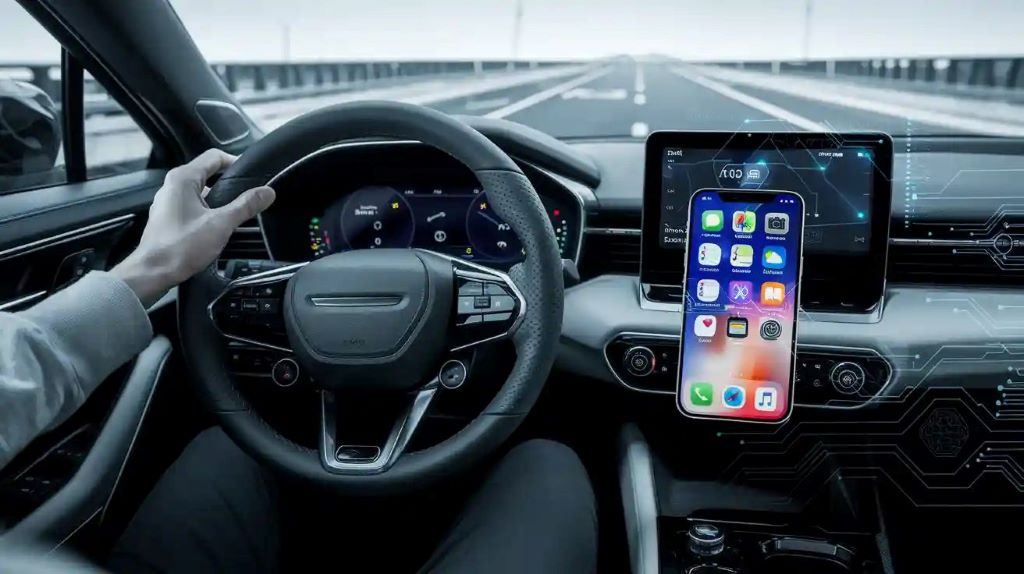
The technology integrated naturally into vehicles. Car manufacturers began embedding Bluetooth chips into their infotainment systems. Drivers could now answer calls, stream music, and access navigation through their steering wheel controls. This integration made compliance with hands-free laws almost automatic.
Legislative Response to Wireless Connectivity
Lawmakers quickly recognized Bluetooth’s potential for improving road safety. States began updating their hands-free driving laws to specifically accommodate wireless technologies. These updated regulations distinguished between illegal handheld use and acceptable hands-free operation.
The legal framework evolved alongside the technology. Early laws focused simply on prohibiting handheld phone use. Modern legislation addresses voice commands, touch screen interactions, and even eye-tracking systems. Bluetooth enabled this nuanced approach by providing reliable wireless communication that lawmakers could confidently endorse.
Current State of Hands-Free Laws
Today, most states have comprehensive hands-free driving laws. These regulations typically allow Bluetooth-connected devices while prohibiting manual phone handling. The consistency across states reflects how standardized Bluetooth technology has become in the automotive industry.
Enforcement has become more sophisticated too. Police officers can now distinguish between legal Bluetooth use and illegal handheld operation. This clarity benefits both drivers and law enforcement by reducing confusion about what constitutes legal device use while driving.
Safety Statistics and Real-World Impact
Research consistently shows that hands-free laws supported by Bluetooth technology have reduced distracted driving incidents. The National Highway Traffic Safety Administration reports significant decreases in phone-related accidents in states with strong hands-free legislation.
However, the data also reveals interesting nuances. While Bluetooth reduces physical distraction, cognitive distraction from phone conversations remains a concern. Drivers using hands-free systems still experience reduced attention to road conditions, though the risk is considerably lower than handheld use.
Technology Beyond Basic Phone Calls
Modern Bluetooth implementations extend far beyond simple phone connectivity. Voice assistants like Siri and Google Assistant integrate seamlessly with car systems. Drivers can send text messages, set navigation destinations, and control smart home devices without taking their hands off the wheel.
This expansion has prompted lawmakers to refine their definitions of acceptable use. Some states now specify which types of voice commands are permissible while driving. The evolution continues as new Bluetooth applications emerge regularly.
Industry Adaptation and Innovation
Automotive manufacturers have embraced Bluetooth as a standard feature. Even budget vehicles now include basic Bluetooth connectivity. Premium vehicles offer advanced features like multiple device pairing, automatic contact synchronization, and integration with smartphone apps.
The aftermarket has responded similarly. Retrofit Bluetooth adapters allow older vehicles to comply with modern hands-free laws. These solutions range from simple FM transmitters to sophisticated systems that integrate with existing car controls.
Challenges and Limitations
Despite its success, Bluetooth technology faces ongoing challenges in the automotive environment. Connection reliability can vary between devices and vehicles. Some older smartphones struggle to maintain stable connections with newer car systems, creating frustration for drivers trying to remain compliant with hands-free laws.
Battery drain represents another concern. Maintaining constant Bluetooth connections can reduce smartphone battery life significantly. Drivers on long trips may find their devices dying despite being connected to car chargers, potentially forcing them to choose between connectivity and navigation.
The Global Perspective
International adoption of hands-free driving laws has followed similar patterns to the United States. European countries have implemented comprehensive legislation that specifically accommodates Bluetooth technology. Asian markets have embraced the technology even more aggressively, with some countries mandating Bluetooth connectivity in new vehicles.
This global consistency has encouraged manufacturers to standardize their Bluetooth implementations. Drivers can expect similar functionality whether they are driving in California, Germany, or Japan. Such standardization has accelerated technology adoption and improved overall road safety worldwide.
Future Developments and Trends
The next generation of automotive Bluetooth technology promises even greater integration with hands-free laws. Enhanced voice recognition systems will reduce the need for any manual interaction with devices. Advanced driver assistance systems will coordinate with Bluetooth connections to minimize distraction during critical driving moments.
Regulatory frameworks are already evolving to accommodate these innovations. Some states are piloting programs that allow more sophisticated in-vehicle interactions while maintaining strict prohibitions on handheld device use. The balance between connectivity and safety continues to improve as technology advances.
Economic Impact on Related Industries
The rise of Bluetooth-enabled hands-free laws has created entire industries. Accessory manufacturers now produce countless Bluetooth-enabled devices specifically for automotive use. Installation services have adapted to focus on wireless integration rather than complex wiring projects.
Insurance companies have also adjusted their policies to reflect the safety improvements associated with hands-free technology. Some insurers now offer discounts for vehicles equipped with advanced Bluetooth safety features, recognizing the correlation between wireless connectivity and reduced accident rates.
Conclusion
Bluetooth technology has fundamentally transformed hands-free driving laws from restrictive prohibitions into enabling safety measures. This wireless standard provided lawmakers with a practical solution that drivers could easily adopt. The result has been widespread compliance with distracted driving laws and measurable improvements in road safety.
The technology continues evolving alongside regulatory frameworks. As voice recognition improves and automotive integration becomes more sophisticated, hands-free laws will likely become even more permissive of technological solutions. The partnership between Bluetooth innovation and legislative adaptation has created a model for how emerging technologies can support public safety initiatives.
Looking ahead, this relationship between wireless technology and traffic safety will only strengthen. New developments in automotive connectivity promise to make roads safer while keeping drivers connected to their digital lives in legally compliant ways.
Frequently Asked Questions
What makes Bluetooth use legal while handheld phone use is not? Bluetooth enables hands-free operation, allowing drivers to keep both hands on the wheel and maintain visual attention on the road. Handheld use requires manual manipulation and visual attention away from driving.
Do all states allow Bluetooth use while driving? Most states permit Bluetooth hands-free use, but specific regulations vary. Some states have restrictions on certain types of interactions, such as texting or complex menu navigation, even through Bluetooth systems.
Can I get a ticket for using Bluetooth while driving? Generally no, if you are using true hands-free Bluetooth functionality. However, if you are manipulating your phone or the car’s screen extensively, you could still face citations depending on local laws.
Does Bluetooth completely eliminate distracted driving risks? While Bluetooth significantly reduces physical and visual distractions, cognitive distraction from phone conversations still exists. Research shows hands-free calling is safer than handheld use but not risk-free.
Are there age restrictions for Bluetooth use while driving? Some states impose stricter rules on new drivers, including limitations on any phone use, even hands-free. Teen drivers should check their local laws as restrictions often apply to drivers under 18 or those with learner’s permits.
Read More: