
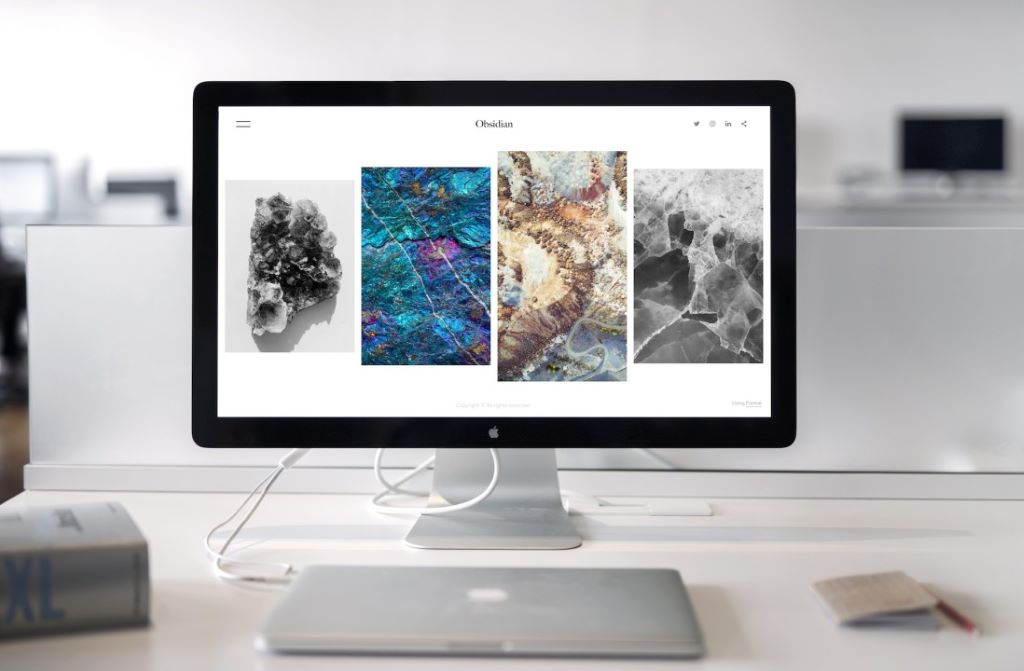
Have you ever landed on a website that looked like it was slapped together in five minutes? You know the kind – blurry images, misaligned text, and colors that clash like a bad outfit. It’s a real buzzkill, isn’t it? That’s the opposite of pixel-perfect. Pixel perfect means every element on your website is in its place, like a perfectly orchestrated symphony. It’s about precision, attention to detail, and a deep understanding of user experience. It’s the difference between a captivating website that’s just there and one that people love.
Why Pixel Perfect Matters
You might think, “Who cares about a few pixels here and there?” Well, a lot of people, actually. Studies show that website design impacts user experience, conversions, and brand perception. A pixel-perfect website is like a well-dressed salesperson; it makes a great first impression.
People judge websites quickly. If yours looks sloppy, they’ll probably bounce. But if it’s clean, professional, and visually appealing, they’re more likely to stick around and explore. That’s where the magic happens – conversions, leads, and sales.

The Building Blocks of Pixel Perfection
Creating a pixel-perfect website is like building a house. You need a solid foundation. Let’s break it down.
Understand Your Audience
Before you start designing, know your audience. Who are you trying to reach? What are their needs, wants, and preferences? Understanding your audience is like knowing your ingredients before baking a cake. You wouldn’t use salt instead of sugar, would you?
Choose the Right Colors
Colors evoke emotions. Red can be exciting, blue calming, and green trustworthy. Choose colors that align with your brand and resonate with your audience. A color palette is like a wardrobe; it should be cohesive and stylish.
Typography That Talks
Fonts are the voice of your website. They should be easy to read and complement your overall design. Think of fonts as different personalities. Some are bold and outgoing, while others are soft and understated.
Imagery That Inspires
Images are worth a thousand words. Use high-quality images that tell a story and support your content. A picture is like a window into your world. Make it a beautiful view.
Responsive Design
In today’s mobile-first world, responsive design is essential. Your website should look great on any device, from smartphones to desktops. It’s like having a chameleon outfit that adapts to any environment.
White Space is Your Friend
Don’t cram your website with information. White space gives your design room to breathe. It’s like having a clean, uncluttered room; it’s inviting and relaxing.
The Tools of the Trade
To achieve pixel perfection, you need the right tools. There are countless design software options available, from industry standards like Adobe Photoshop and Sketch to user-friendly platforms like Canva and Figma.
The Role of Developers
Designers create the blueprint, but developers bring it to life. A good developer is a pixel-perfectist’s best friend. They translate designs into code, ensuring every element is in its proper place.
Testing, Testing, Testing
Your website is never truly finished. Testing is an ongoing process. Check how your website looks on different devices, browsers, and screen sizes. Look for any inconsistencies or bugs. It’s like proofreading an essay; you want to catch every error.
Maintaining Your Masterpiece
Once your website is live, the work isn’t over. Keep it updated with fresh content, images, and design elements. A website is like a garden; it needs constant care to thrive.
Conclusion
Creating a captivating website is a journey, not a destination. It requires passion, attention to detail, and a deep understanding of user experience. But the rewards are worth it. A website that looks amazing and functions flawlessly is a powerful tool for building your brand and achieving your goals.
Remember, every pixel counts.