These smartphone camera apps will make your photos more fascinating. Some will automatically modify your photographs, while others allow you to apply custom filters. The majority of these apps are free to use, however many require a paid subscription to continue using them just like the games you’ll find at crazy vegas casino or any other platform with a service to offer.
- OldRoll
When you take images with OldRoll’s app, it looks like you’re using a film camera, and you can duplicate the photographic style of other devices. One of the most useful features is the ability to modify your white balance, which gives you more control over how warm or cool your image appears and helps you achieve the ideal white balance in your photos.
When using OldRoll, you may also change the lighting in your images. Furthermore, you may toggle the flash on or off. After shooting your photo, you can adjust the contrast, saturation, and other settings, such as cropping and adding blur, grain, and vignette.
You can also decide whether or not to include watermarks in your photo. After you’ve modified and exported your photographs, you can share them wherever you want. The app is accessible for both smartphones and tablets. If you decide to upgrade to the full version, unlimited plans are $2.99 per month or $9.99 per year.
- 1998 Cam
1998 Cam is another fantastic app for making photos look retro. You can apply many filters to your photographs, covering a wide range of genres, including film and vintage. You may also use different grids to properly frame your photos, and you can alter the effects in your photos after they’re taken, such as whether you want bokeh. 1998 Cam also allows you to add timestamps to make the photographs appear more vintage, visit here to find out more about the app.
The app has a paid version that includes more filters and other features and costs $17.99 per month for an annual subscription. You can obtain a 30-day free trial of the full edition before making a purchase. At the time of writing in July 2024, the app was only accessible for iOS.
- ProCam
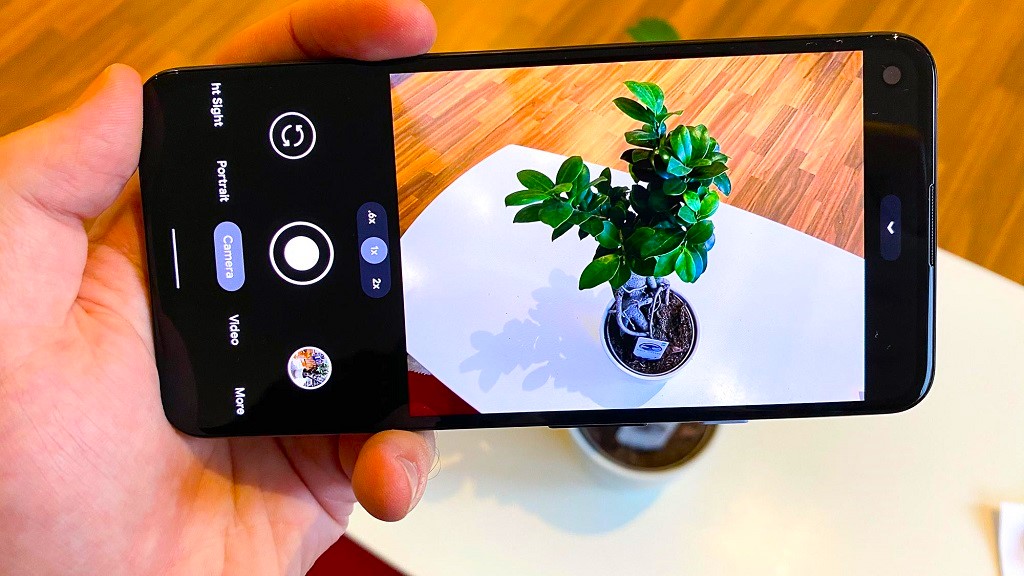
ProCam allows you to capture photos in RAW, TIFF, and other formats. So, if you want to do additional editing later, you have a lot of options.
You can adjust the ISO in your photos, giving you far more freedom than most smartphone cameras allow. You’ll have more freedom in low-light conditions, and it’s also great for lowering the amount of light streaming in on sunny days; I frequently find that smartphone photographs look very flat when it’s bright outside.
You’ll also see what the white balance looks like in your photos and gain a better knowledge of your shutter speed. Even if you don’t change any of these settings, I recommend keeping track of them to learn more about how lighting works. For more information on the exposure triangle in photography, check out this guide.
When using ProCam, you can adjust the focus length and set a long timeframe. The latter is very useful for taking long-exposure shots in low-light situations, and you can get creative by experimenting with it in various daytime scenarios as well.
- Timestamp Camera Basic
Timestamp Camera Basic is a simple app that allows you to add a timestamp to your photos. You can mention your current location as well as the date. When using this app, you can also modify the photo resolution and select from a variety of filters to achieve the exact look you want.
The app allows you to select long-exposure timers of three, five, and ten seconds. You may also use it to create time lapse videos. You can also use battery-saving mode to avoid draining your battery.
You can upgrade to full feature access for $4.99.
- DAZE CAM
DAZE CAM is another smartphone camera app that I recommend for improving your photography. This app allows you to shoot film-style photos and select from a variety of effects to achieve the desired effect for your image. Joshua Tree was one that stood out to me, but there are many others.
Some photos allow you to modify elements other than intensity, such as radius and sensitivity. You can also add a date and decide whether or not to include dust and other particles in your photograph. In addition, you can add vignettes if you want.