
We’ve all been there. Staring at a screen, lost in a digital world. But what if that world could reach out and touch you? What if you could step into a virtual reality, or see digital overlays on the real world? That’s the future of VR and AR.
What is VR and AR?
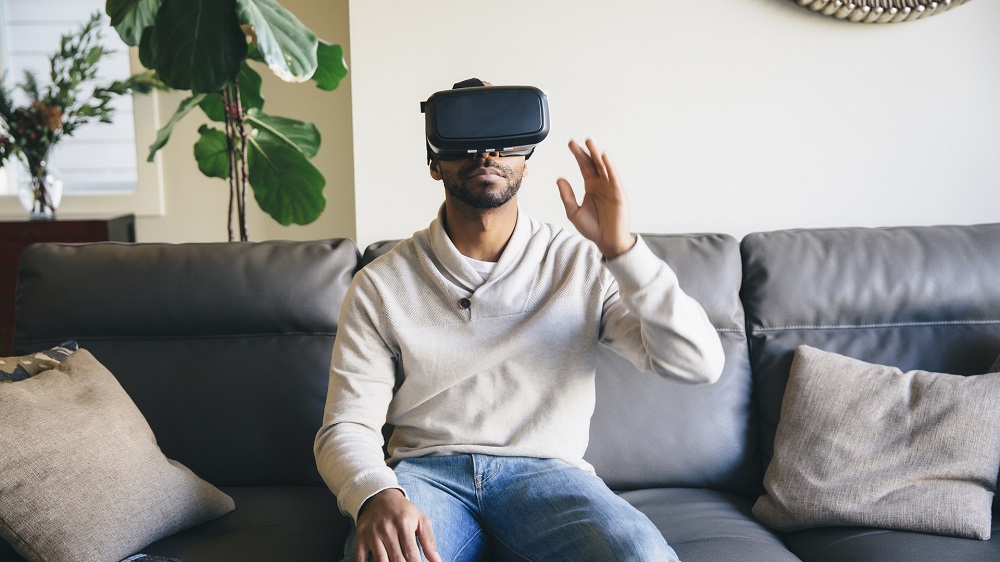
Let’s break it down. VR, or Virtual Reality, is like stepping into a whole new world. You put on a headset, and suddenly you’re somewhere else entirely. It could be a fantastical realm, a historical event, or even a digital replica of your living room. AR, or Augmented Reality, is a bit different. It overlays digital information into the real world. Think of those cool Snapchat filters, but way more advanced.
The Magic Behind the Curtain
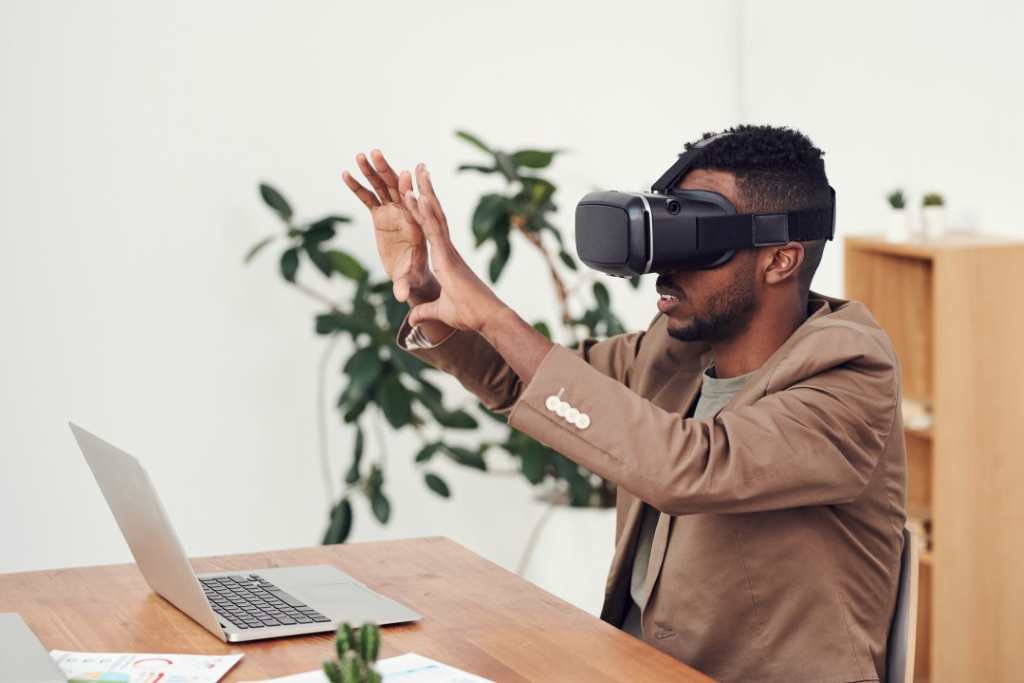
How does this magic happen? Well, it’s a mix of hardware and software. VR headsets track your head movements, and special controllers let you interact with the virtual world. For AR, you usually need a smartphone or smart glasses. Cameras and sensors in these devices capture the real world, and then the software adds digital elements.
The World is Changing
VR and AR are more than just fun toys. They’re reshaping industries. Imagine surgeons practicing complex procedures in a virtual environment before operating on a real patient. Or architects walking through a building design before it’s even built. How about students taking virtual field trips to explore ancient civilizations? The possibilities are endless.
The Gaming Revolution
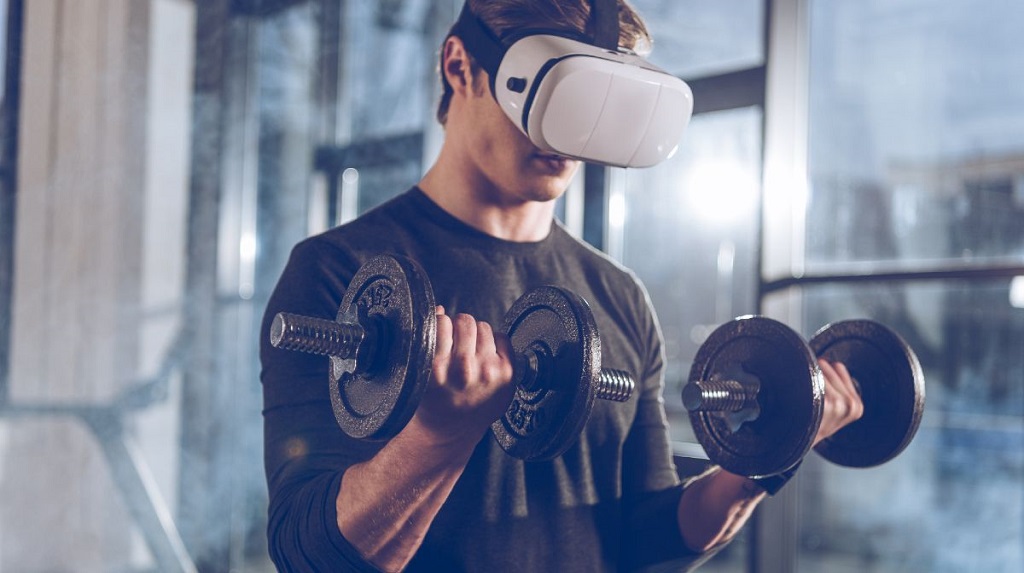
Gaming is where the future of VR and AR are really shining. With VR, you’re not just playing a game, you’re living it. Imagine feeling the rush of a rollercoaster, the fear of a horror game, or the thrill of a sports match. AR can enhance traditional gaming too. Imagine Pokémon popping up in your living room!
Beyond Gaming: Real-World Applications
But it’s not all fun and games. VR and AR have serious applications too. In healthcare, they’re being used for therapy, pain management, and even surgical training. In education, they offer immersive learning experiences. And in business, they’re transforming training, design, and marketing.
Challenges and Opportunities
Of course, there are challenges. VR can cause motion sickness for some people. And both VR and AR require powerful hardware, which can be expensive. But the potential benefits are huge. As technology improves and costs come down, we can expect to see VR and AR becoming more and more common.
The Future is Here
We’re still in the early days of VR and AR, but it’s clear that these technologies are going to change the way we live, work, and play. So buckle up, because the future is going to be one heck of a ride!
In Conclusion
VR and AR are no longer just science fiction. They’re here, and they’re changing everything. From gaming and entertainment to healthcare and education, these technologies are opening up new possibilities. While there are challenges to overcome, the potential benefits are immense. As the technology continues to evolve, we can expect to see even more incredible applications emerge.