You know the pain: You spent $40 on headphones two months ago. They’re already dead. One ear cup dangles from a snapped hinge. The headband has a permanent bend. The cable — what’s left of it — looks like it was used as a jump rope. Which, honestly, it probably was.
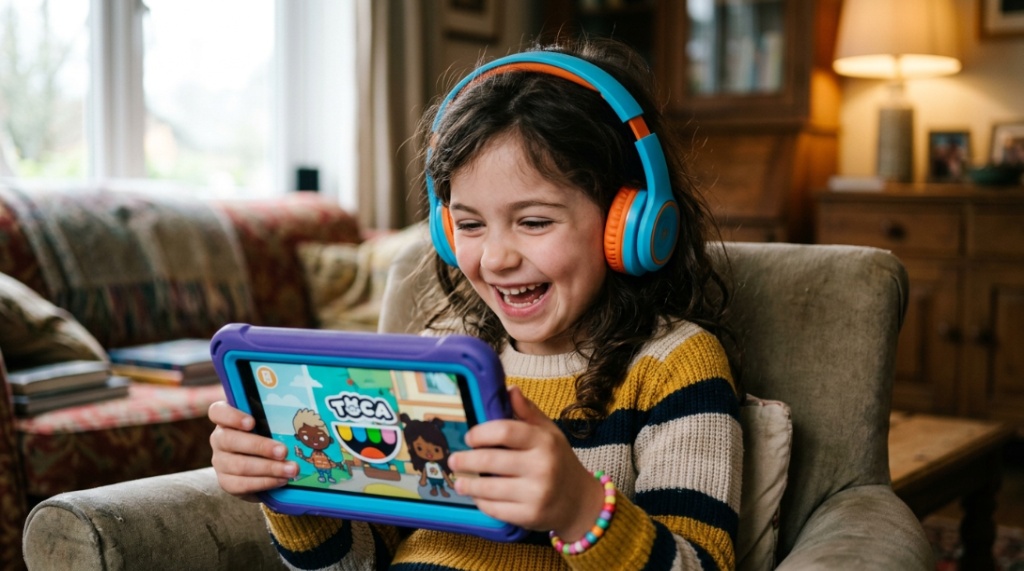
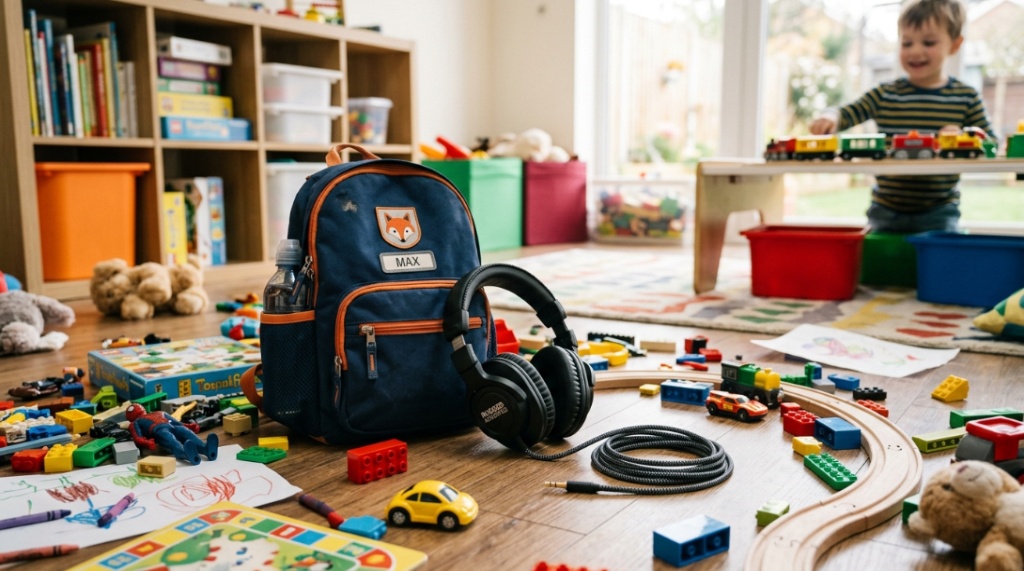
Kids don’t intentionally destroy things (usually). But they drop stuff. sit on things. shove headphones into backpacks alongside water bottles, textbooks, and yesterday’s forgotten banana. pull cables at wrong angles, stretch headbands over their knees, and test every physical limit of every object they own. This isn’t bad behavior — it’s childhood.
So stop buying fragile headphones. What you need are durable headphones for kids—purpose-built to survive the specific types of abuse children inflict daily. This guide breaks down exactly what makes headphones kid-proof, which models actually deliver on durability promises, and how to get the longest possible lifespan from your purchase.
Why Do Regular Headphones Break So Quickly in Kids’ Hands?
Understanding the failure points helps you avoid them. Here’s how most headphones die at the hands of children:
Hinge Snaps (35% of failures): The point where ear cups connect to the headband is the single weakest spot on most headphones. Rigid plastic hinges crack under torsion—the twisting force applied when headphones get caught, pulled sideways, or stepped on at an angle.
Headband Cracks (25% of failures): Thin plastic headbands that aren’t designed to flex eventually stress-fracture. Every time a child stretches them too wide, bends them backward, or drops them and lands on the band, micro-cracks form that eventually become full breaks.
Cable Damage (20% of failures): Kids pull cables from the tip instead of the plug. They wrap cables tightly around devices. They close car doors on cables. Internal wire breaks cause one side to go silent — the most common “it stopped working” complaint.
Ear Pad Detachment (12% of failures): Cheap adhesive or thin clip-on mechanisms can’t withstand kids picking at edges, pulling pads off during fidgeting, or pads catching on clothing/backpack straps.
Driver Failure (8% of failures): Less common but happens when headphones are exposed to moisture (sweat, rain, or spills) without any water resistance or when extreme volume spikes damage the speaker membrane.
What Makes Durable Headphones for Kids Actually Kid-Proof?
The best kids’ headphones engineered for durability share these design characteristics:
Flexible Headband Material
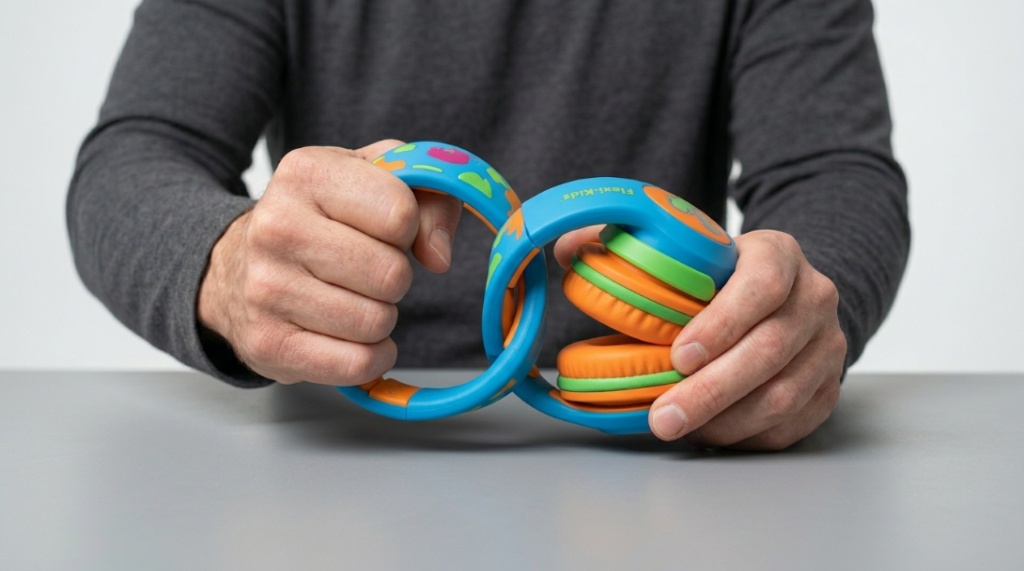
Instead of rigid plastic that cracks, look for headbands made from flexible polymers, steel-reinforced plastic, or materials specifically described as “bend-without-break.” The gold standard: headphones you can literally twist 180° flat without damage. Several kid-specific brands achieve this.
Reinforced Hinge Points
Metal or steel-core hinges instead of all-plastic. Some designs eliminate hinges entirely with a single-piece flexible construction—nothing to snap. Others use rotation-limited hinges that prevent over-extension (the motion that causes most breaks).
Detachable/Replaceable Cables
If the cable dies (and with kids, it will), a detachable cable means a $5 replacement instead of entirely new headphones. Look for standard 3.5mm connections at the headphone end, not proprietary connectors.
IPX4 or Higher Water Resistance
Not for swimming — for surviving spills, sweat, rain exposure, and the mysterious liquids that appear in children’s backpacks. IPX4 protects against splashes from any direction.
Impact-Resistant Ear Cups
Thicker plastic, rubberized coatings, or flexible materials that absorb drops rather than transferring shock directly to internal components. Some models include internal component dampening that protects the driver even during falls.
Which Durable Headphones for Kids Survive the Longest?
Based on durability testing, warranty claim data, and parent reviews specifically about longevity:
| Model | Key Durability Feature | Flex Test | Drop Resistance | Cable | Warranty | Price |
|---|---|---|---|---|---|---|
| LilGadgets Connect+ Pro | Flexible steel headband | 180° bend | Excellent | Detachable, SharePort | 1 year | $25-30 |
| JLab JBuddies Studio | Folding + reinforced hinges | 90° bend | Good | Detachable | 2 years | $25-35 |
| Puro BT2200 | Aluminum + steel construction | Limited flex (sturdy) | Excellent | Detachable | 1 year | $70-90 |
| BuddyPhones Explore+ | Virtually indestructible flex | Full 360° twist | Excellent | Fixed (reinforced) | 2 years | $20-30 |
| MEE KidJamz KJ45 | Rugged build + splashproof | 120° bend | Good | Fixed (reinforced base) | 1 year | $15-25 |
Most Durable Overall: BuddyPhones Explore+
These headphones are nearly indestructible. The entire frame is a single piece of flexible material that can be twisted, bent, folded, and flattened without breaking. There are effectively no weak points—no hinges to snap, no rigid sections to crack. The trade-off is a fixed (non-detachable) cable, but it’s reinforced with a thicker gauge and strain relief at both ends.
At $20-30, replacing these annually still costs less than one mid-range pair — but most parents report 18-24 months of active daily use. That’s exceptional value for the best kids’ headphones in the durability category.
Best Durability + Features: LilGadgets Connect+ Pro
The steel-reinforced headband provides industrial-level flex resistance while maintaining comfort. The unique SharePort feature (daisy-chain multiple headphones without a splitter) makes these popular for families. A detachable cable means the most common failure point is a $5 fix. The combination of durability, features, and price makes these a top recommendation.
How Can You Make Any Kids’ Headphones Last Longer?
Even durable headphones for kids benefit from good habits. Teach your child these simple practices:
- Two-hand rule: Always put headphones on and take them off with both hands on the ear cups — never by pulling one side. This prevents the asymmetric stress that snaps hinges.
- Storage in a case: A hard-shell case ($10-15) pays for itself within a month by preventing crush damage in backpacks. Soft pouches help too—anything between headphones and the chaos of a kid’s bag.
- Cable wrapping technique: Teach the loose loop method — no tight wrapping around the device. Tight wraps create permanent kinks that break internal wires. A simple Velcro strap keeps cables tidy without stress.
- Designated “headphone spot”: A hook, stand, or specific shelf location at home. Headphones left on floors get stepped on. Headphones left on couch cushions get sat on. A dedicated spot prevents the most common damage scenarios.
- No eating/drinking while wearing: Spills happen. Food particles get in ear cup openings. Keep headphones and meals separate.
What’s the Real Cost of Durability vs. Replacing Cheap Headphones?
Let’s do the math that matters:
Cheap, fragile headphones approach: $15 pair × replaced every 3-4 months = $45-60/year. Plus the frustration, mid-trip failures, and missed school video calls when headphones die unexpectedly.
Mid-range durable headphones approach: $30 pair × replaced every 12-18 months = $20-30/year. It’s more reliable, has fewer interruptions, and the cost actually works out lower long-term.
Premium durable headphones approach: $80 per pair × replaced every 24-30 months = $32-40/year. Best experience and lowest frustration, but higher upfront cost.
The sweet spot for most families: $25-35 durable kids’ headphones. The annual cost is lowest, the durability is genuinely kid-proof, and even if they do eventually break, the replacement doesn’t sting financially.
When setting up your child’s new gear, ensuring the software matches the hardware quality makes a massive difference in their listening safety and enjoyment. If they frequently use an Apple ecosystem for schoolwork or games, you can easily optimize their setup’s sound quality, volume limits, and equalizer settings. For instance, you can use these 4 Apps to Improve the Audio Experience on Your Mac to easily customize control profiles, balance background frequencies, and protect young ears from sudden volume spikes.
How Important Is the Warranty for Kids’ Headphones?
Very important — but read the fine print. Key warranty considerations:
What’s typically covered: manufacturing defects (driver failure, loose connections, faulty Bluetooth) and premature material breakdown (headband snap under normal use, ear pad disintegration).
What’s typically NOT covered: physical damage from drops/impacts (the exact thing you’re worried about), water damage beyond the stated IP rating, cable damage from pulling/bending, and lost headphones.
Best warranty practices:
- JLab offers a 2-year warranty including a hassle-free replacement process—industry-leading for kids’ headphones
- BuddyPhones includes a 2-year warranty with relatively generous interpretation of “normal use.”
- Some Amazon sellers offer accidental damage protection as an add-on ($3-8)—worth it for kids under 8
- Keep your receipt/order confirmation — most warranties require proof of purchase
Wired vs. Wireless: Which Is More Durable for Kids?
Each has durability pros and cons:
Wired Headphones:
- Pro: No battery to degrade over time, lighter weight, simpler electronics (less to fail)
- Con: Cables are the #1 physical failure point for kids. Pulling, tangling, stepping, snagging—cables take constant abuse
- Best practice: Choose detachable cables so the inevitable cable death doesn’t kill the headphones
Wireless Headphones:
- Pro: No cable to damage, one fewer failure point in daily use, no snagging
- Con: Battery degrades over 12-18 months (shorter runtime), additional electronic complexity, charging port wear
- Best practice: Choose models that also work with an aux cable so they remain usable after battery degradation
For pure durability, wireless headphones that also accept a cable offer the best of both worlds. The cable stays in the backpack as backup while wireless mode eliminates daily cable stress.
If you’re evaluating different options and want a comprehensive breakdown of what’s available, this guide on durable kids’ headphones with noise-canceling features covers both budget and premium choices that are built to withstand active children.
What About Headphones Marketed as “Unbreakable”—Are They Really?
No headphone is truly unbreakable. But some come remarkably close:
BuddyPhones Explore+: The closest to unbreakable in the kids’ market. The single-piece flexible polymer construction has no structural weak points. Parents have reported running them over with office chairs, stepping on them repeatedly, and having toddlers use them as teething rings—all without breaking. The flex point? Eventually, the fixed cable will fail. But the headphone unit itself is nearly indestructible.
Onanoff StoryPhones: Designed for very young children (2-5), these use a shield-shaped design with no exposed hinges, extremely thick materials, and rounded edges everywhere. They survive being thrown, dropped from height, and used as projectiles. Limited audio quality, but the survival rate is extraordinary.
Reality check: “Unbreakable” means “breaks much later than normal, under more extreme conditions. “Everything eventually fails. The question is whether it survives 2 years of daily kid use—and the best durable headphones for kids genuinely do.
How Should You Handle the “My Kid Broke Their Headphones Again” Situation?
Before buying replacements, diagnose what failed and why:
- Headband snapped? → Next pair needs flexible/steel-reinforced headband. Avoid rigid plastic entirely.
- Hinge broke? → Next pair needs metal hinges or hinge-free design.
- Cable died? → The next pair needs a detachable cable or to go wireless.
- One side stopped working? → Often a cable issue (internal break). A detachable cable would have saved these.
- Ear pad fell off? → Next pair needs mechanically attached (not glued) pads.
Each failure tells you what design flaw to avoid next time. After 2-3 cycles, you’ll know exactly which specific durability features your particular child’s usage pattern demands.
Age-Specific Durability Recommendations
Different ages break things differently:
Ages 3-5 (Toddlers/Preschoolers): Maximum flexibility priority. They twist, mouth, throw, and sit on headphones. Choose single-piece flex designs with no small parts. Wired with reinforced cable (they’ll pull wireless headphones off by the ear cup). Budget expectation: replace every 8-12 months regardless.
Ages 5-8 (Early School): Backpack survival is the key challenge. They get crushed under textbooks, dropped in hallways, and yanked off during recess. Foldable designs with hard cases work well. Detachable cables become important. Budget expectation: 12-18 months per pair.
Ages 8-12 (Tweens): More careful but heavier daily use. Primary concerns shift to cable wear (constant plugging/unplugging), headband stretch (sharing with friends), and general wear-and-tear from 2-3 hours daily use. Wireless becomes practical. Budget expectation: 18-24 months per pair.
FAQ
What’s the single most important durability feature for kids’ headphones?
A flexible, bend-without-break headband. This is where 60% of all kid-related headphone deaths occur (hinge + headband combined). If the headband survives, the headphones usually survive. Everything else is secondary to this structural element.
Are expensive headphones always more durable than cheap ones?
Not necessarily. Some premium headphones prioritize audio quality and lightweight design over ruggedness. A $25 BuddyPhones Explore+ is more physically durable than many $100+ adult headphones. Price indicates quality of materials and sound, not always kid-specific durability engineering.
Should I buy a case for my kid’s headphones?
Yes—it’s the single highest-ROI accessory purchase. A $12 hard case can double the lifespan of headphones that travel in backpacks daily. Without a case, headphones face crush forces from books, impact from drops, and contact with liquids. The case pays for itself within the first month.
Can broken headphones be repaired instead of replaced?
Sometimes. Detachable cables can be replaced for $5-10. Ear pads on many models can be swapped for $8-15. Headband breaks occasionally can be reinforced with strong tape or epoxy for temporary fixes. But driver failures, complete hinge snaps, and cracked ear cups are usually end-of-life.
Do folding headphones break faster than non-folding?
The folding mechanism does add a potential failure point. However, good folding designs (metal hinges with stop points) are very reliable. And the trade-off is worth it: folding headphones survive backpack life better because they take up less space and face less pressure from surrounding items.
How do I teach my young child to take care of headphones?
Keep it simple with three rules: always use two hands, always put them in their “home” (case/hook/spot), and never use them near water or food. Demonstrate the correct behavior yourself. Consider letting them choose the case color/design—ownership increases care. Expect the first pair to be a “learning pair” regardless.
Is there a headphone brand with the best durability track record for kids?
BuddyPhones and LilGadgets consistently top durability reviews across parenting communities. BuddyPhones wins for raw indestructibility (flex designs). LilGadgets wins for combining durability with premium features (steel headband + detachable cable + SharePort). Both brands specifically engineer for children’s usage patterns rather than adapting adult designs.