
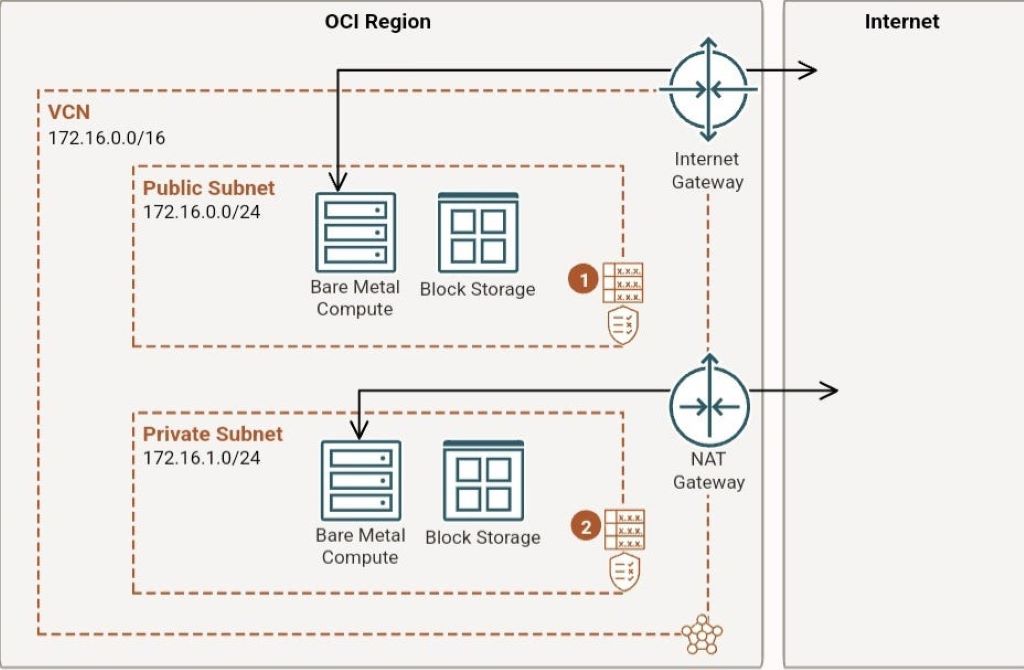
In today’s digitally interconnected world, understanding how your devices and networks communicate is crucial. Two essential components in this digital landscape are NAT Gateways and Internet Gateways. While they might sound similar, they serve distinct purposes. Let’s delve into the key differences between NAT Gateway vs. Internet Gateway and help you determine which one suits your needs.
NAT Gateway vs. Internet Gateway: Understanding the Basics
Before we dive into the specifics, let’s clarify some fundamental terms.
- IP Address: A unique identifier assigned to every device connected to a network.
- Private IP Address: Used within a private network, like your home or office network.
- Public IP Address: Used for devices that need to communicate with the internet.
- Network Address Translation (NAT): A method of translating private IP addresses into public IP addresses, allowing multiple devices to share a single public IP address.
What is an Internet Gateway?
An Internet Gateway (IGW) is like a grand entrance to your private network. It’s a component that connects your virtual private cloud (VPC) to the public internet. Think of your VPC as a secure, isolated network, and the IGW as the bridge that allows traffic to flow in and out. If you’re exploring the differences between nat gateway and internet gateway, you might find them here: https://technochatnews.com/reviews/nat-gateways-vs-internet-gateways/.
Key characteristics of an Internet Gateway:
- Two-way traffic: It permits both inbound and outbound internet traffic.
- Public IP addresses: Instances within the VPC require public IP addresses to communicate directly with the internet.
- Direct Internet access: Provides direct access to the internet for resources like web servers and load balancers.
- Ideal for: Organizations that need to expose services to the public internet.
What is a NAT Gateway?
A NAT Gateway is more like a one-way door. It allows devices within a private network to access the internet but prevents external entities from initiating connections to those devices. It essentially hides your internal IP addresses from the public internet.
Key characteristics of a NAT Gateway:
- Outbound traffic only: Permits traffic from the private network to the internet but not vice versa.
- Private IP addresses: Instances can use private IP addresses.
- IP address translation: It translates private IP addresses to a public IP address for outbound connections.
- Ideal for: Organizations that require internet access for internal devices but don’t need to expose services to the public.
Key Differences Between NAT Gateway and Internet Gateway
| Feature | Internet Gateway | NAT Gateway |
| Traffic | Inbound and outbound | Outbound only |
| IP Addresses | Public IP addresses required | Private IP addresses can be used |
| Direct Internet Access | Yes | No |
| Security | Less secure | More secure |
| Cost | Typically higher due to public IP addresses | Generally lower |
Export to Sheets
When to Use Which?
Choosing between an Internet Gateway and a NAT Gateway depends on your specific requirements:
- Need to expose services to the public internet: Use an Internet Gateway.
- Require internet access for internal devices without public exposure: Use a NAT Gateway.
- Need to conserve public IP addresses: Use a NAT Gateway.
- Prioritize security and restrict inbound traffic: Use a NAT Gateway.
The Future of Work is Now: How Digital Transformation is Reshaping the Workforce
Real-World Examples
To illustrate these concepts, let’s consider some practical examples:
- E-commerce website: Requires an Internet Gateway to expose the website to customers worldwide.
- Internal application for employees: A NAT Gateway is sufficient to allow employees to access internet resources while protecting the application from external threats.
- IoT devices: A NAT Gateway can be used to connect IoT devices to the internet for data collection while maintaining security.
Related: Metamorphosis or Meltdown? Navigating the Road to Successful Digital Transformation
Conclusion
Understanding the distinction between NAT Gateways and Internet Gateways is essential for effective network management. By carefully considering your organization’s needs, you can select the appropriate gateway to optimize security, performance, and cost-efficiency. Remember, while an Internet Gateway offers direct Internet access, it also exposes your network to potential threats. A NAT Gateway provides an added layer of security by hiding internal IP addresses.
Ultimately, the best choice depends on your specific use case and the level of security and control you require. By carefully evaluating your options, you can make informed decisions to protect your network and achieve your business objectives.